
PIERS BLACKETT PHOTOGRAPHY
Explore the natural beauty of Oklahoma through the lens of Piers Blackett. Specializing in wildlife photography, Piers captures birds and animals in their native habitats with clarity and artistry.
Discover a wide selection of prints, greeting cards, and metal wall art that bring the wilderness indoors, perfect for nature lovers and collectors alike. Each piece reflects a deep appreciation for Oklahoma’s diverse ecosystems, offering more than just images—these are moments of the wild preserved in time.
Browse the galleries to find your favorite wildlife scenes and enhance your space with authentic photography by Piers Blackett.

American Kestrel
Piers Blackett is a nature photographer based in Oklahoma where indigenous and migrating birds thrive in nature reserves, on lake shores and in parks. Attractive scenery adds to the character of wildlife allowing expressive photography of birds and animals in their habitat.
Photos of
Skilled technology and continued participation in local and international competition adds quality to each photo. Greeting cards and prints are favored products. Block mounting allows metal prints to stand off from the wall giving an esthetic of being there.
Red-shouldered Hawk
MONOCHROME
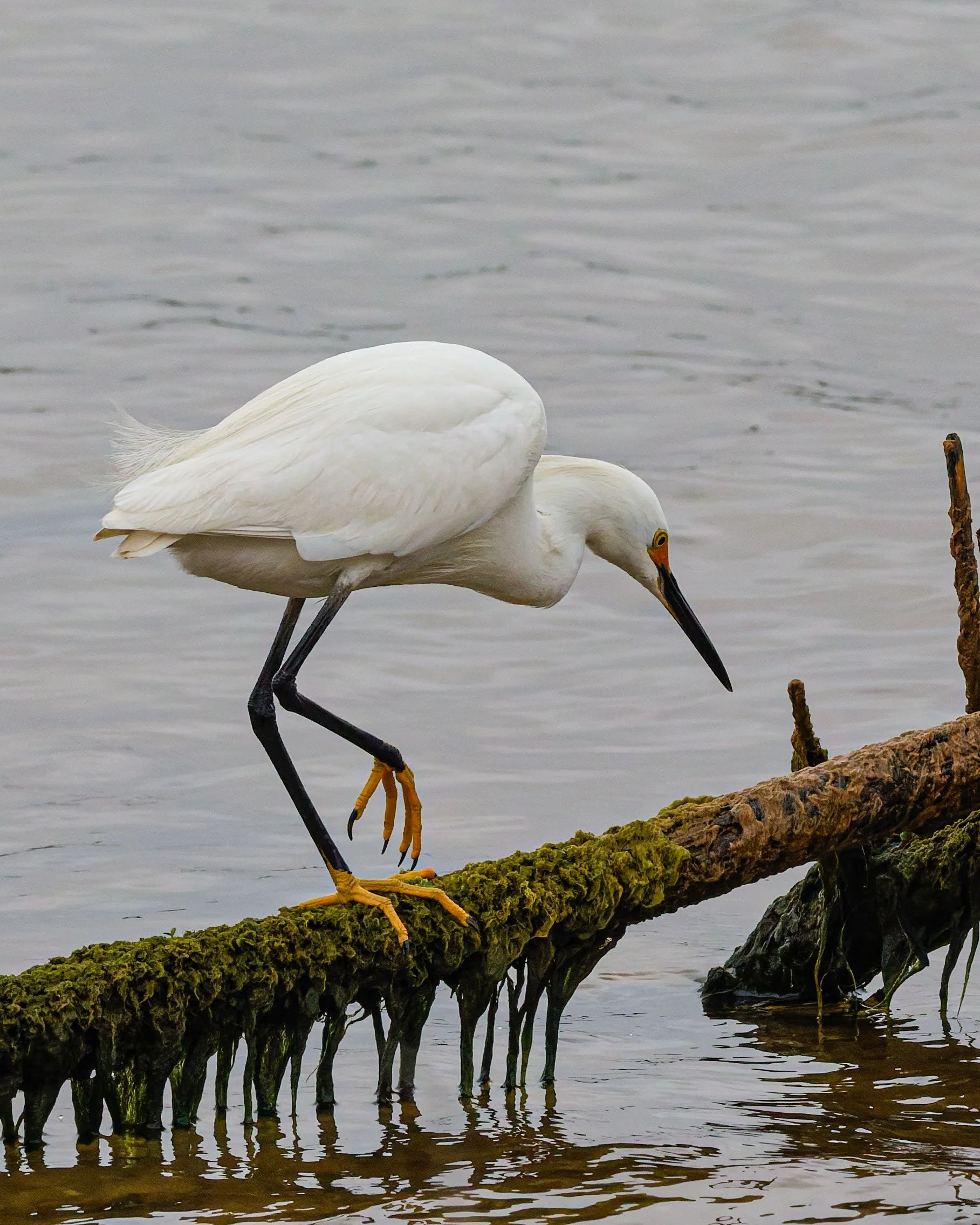
The Snowy Egret is a favorite with it’s attractive displays of white plumage during breeding. Distinguished by bright yellow feet and graceful stalking style. Occasionally they are seen near fresh-water ponds (right) and flying low over lakes (below).
Characteristic yellow to feet and eye-ring were retained by masking them in from a duplicate color image.
Compositional assets of bird photos, such as leading lines and contrast, show well in black and white with tonal variation from black to white and intervening shades of gray. Occasionally the mood is served better by sepia or blue tones, and subtle expressions of endearment or intense foraging in birds and animals present without the distraction of multiple colors. Egrets often have strong contrast with their background and show well.
Great Egrets in flight contrast against gray skies
Snowy Egret
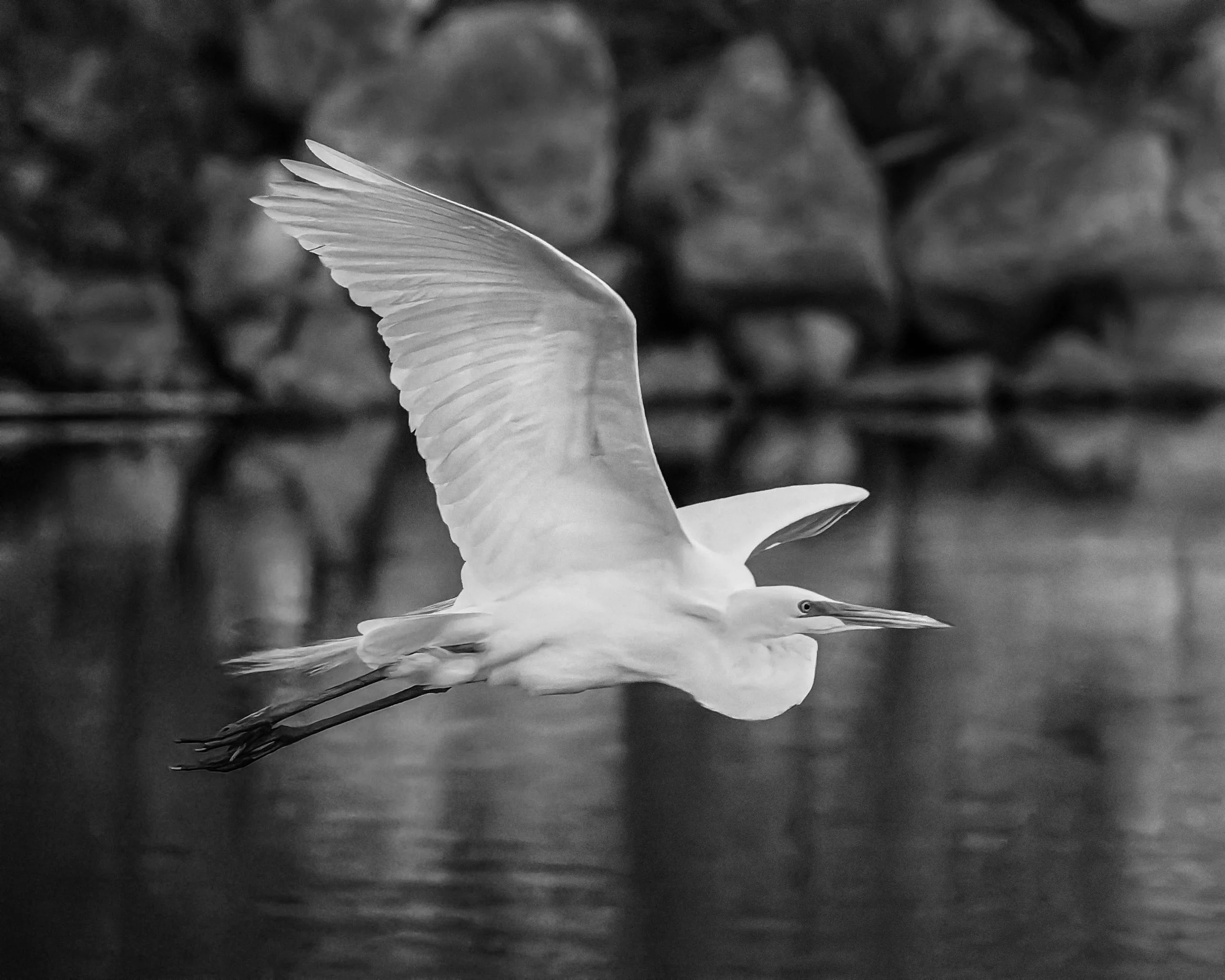
Great Egrets fly low to search for a spot on the shore, claim territory, and wait for fish.
Snowy Egrets puff up their feathers giving them their name. They toss the fish to swallow it head first.
SHORE BIRDS
The Oklahoma lakes and rivers are located along the Central Flyway for migrations occurring in the spring and fall allowing sightings of shorebirds. They land on lake shores after a long flight to stock up on water and fuel for energy before taking off again for their destinations such as northern Canada for the summer and South American regions for the winter.
Marbled Godwits occasionally stopover to refuel on their way back north and may join other shorebirds in flocks.
Black-bellied Plovers feed on the beeches and lake shorelines by pecking at the surface. They stopover on route to the Arctic Tundra for summer breeding.
Willets are more often seen on the west and east coast. They are solitary feeders and are continually on the move.
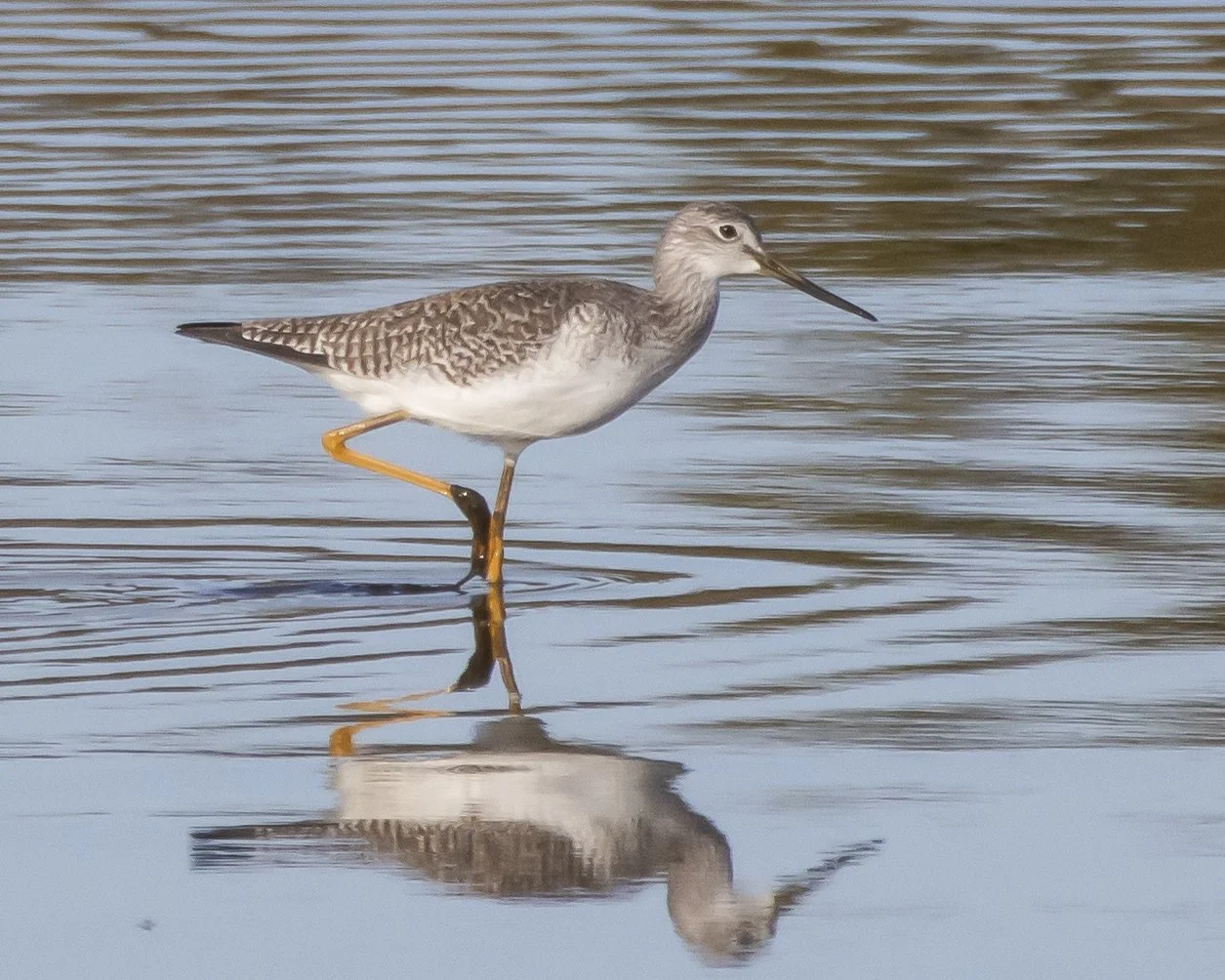
Lesser Yellowlegs are graceful feeders preferring the shallows of lakes, rivers and streams. They are often seen with Greater Yellowlegs (right) with a larger build and a slightly upturned bill.
Black-necked Stilts forage and wade gracefully in shallow ponds and marshes but can be aggressively defensive if provoked. Conservational strategies have resulted in resurgence.
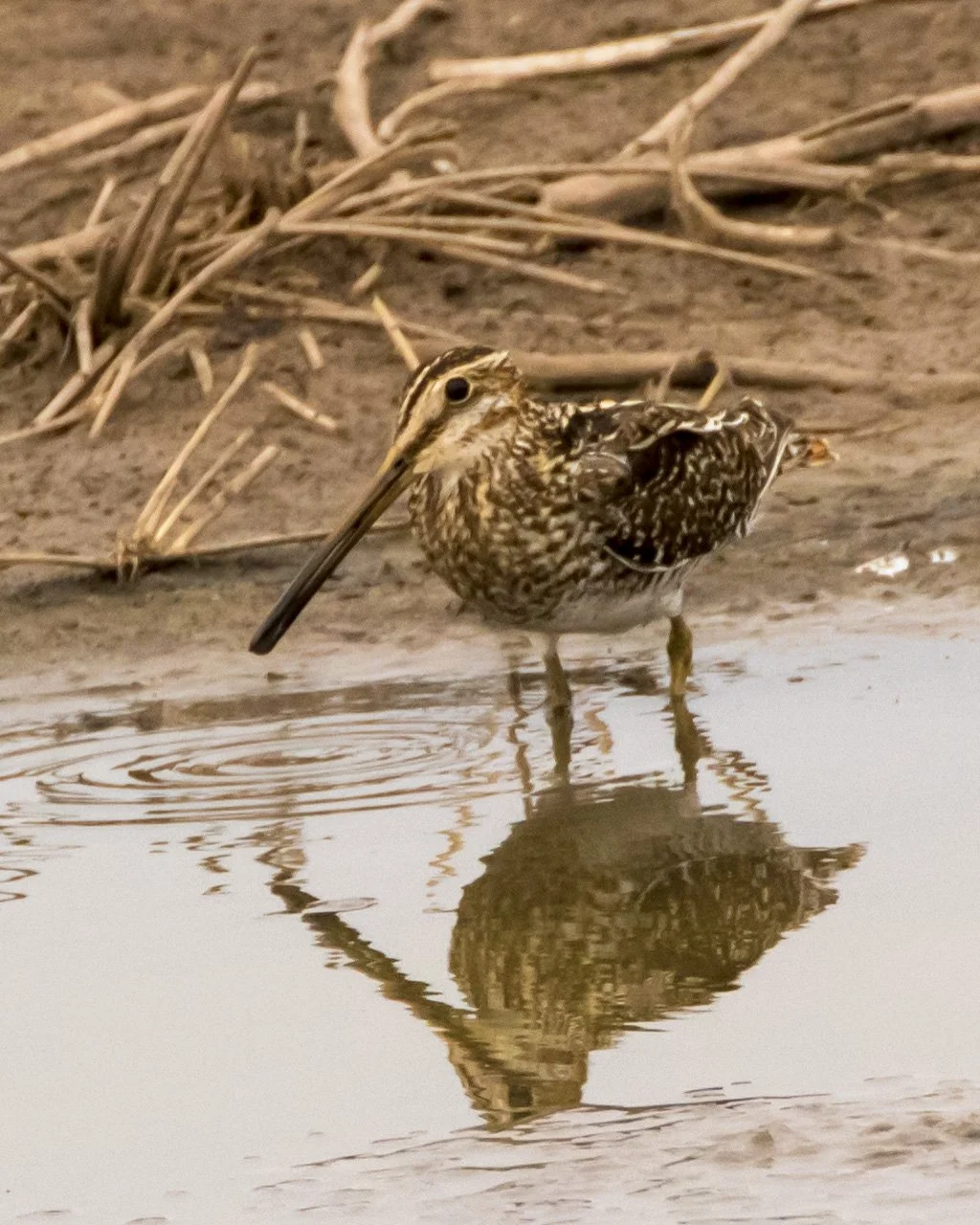
Wilson’s Snipe has a long beak to probe the mud and is known for aerial displays giving off a hooting sound emitted from the tail feahters.
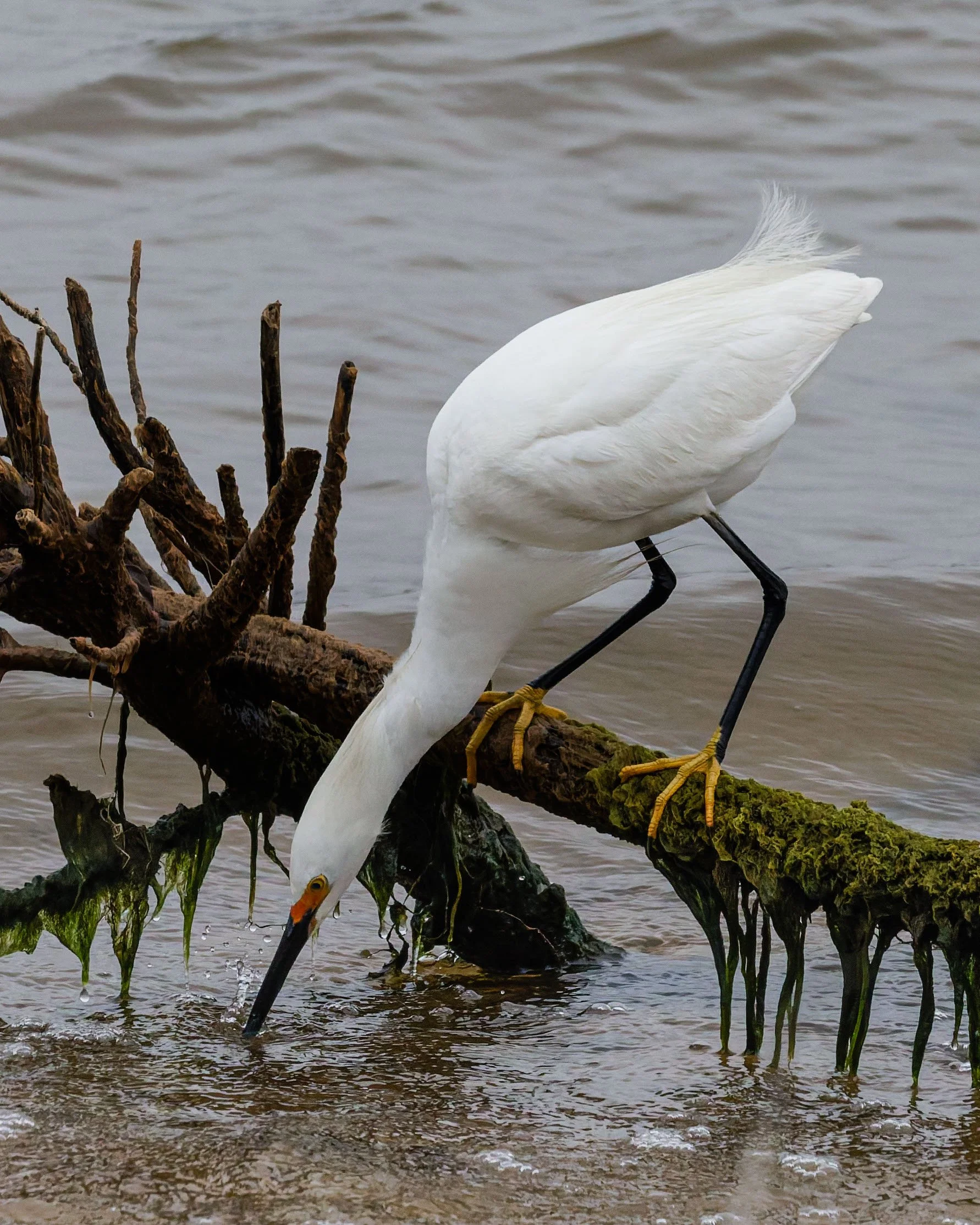
Snowy Egrets are explorative and successful feeders.
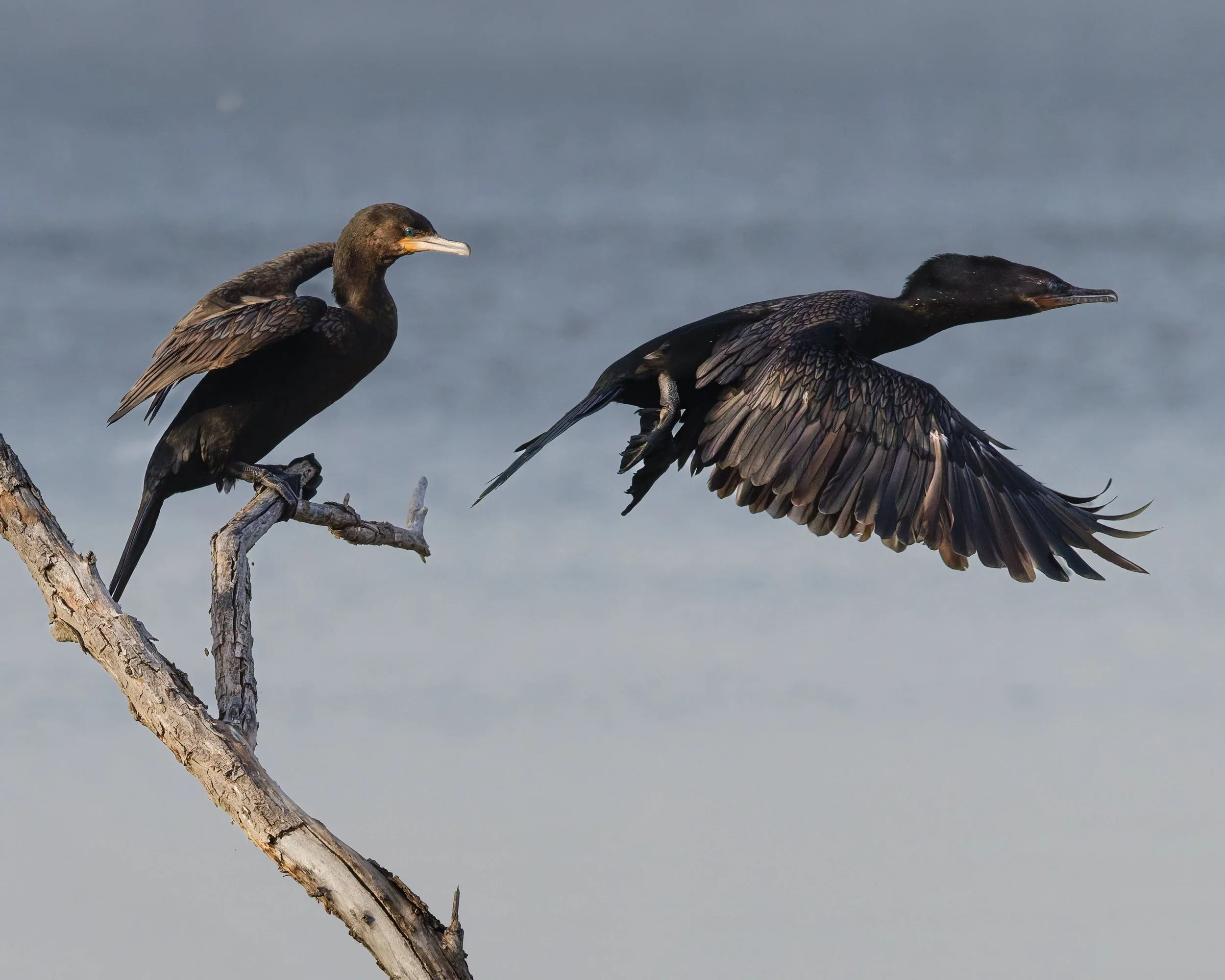
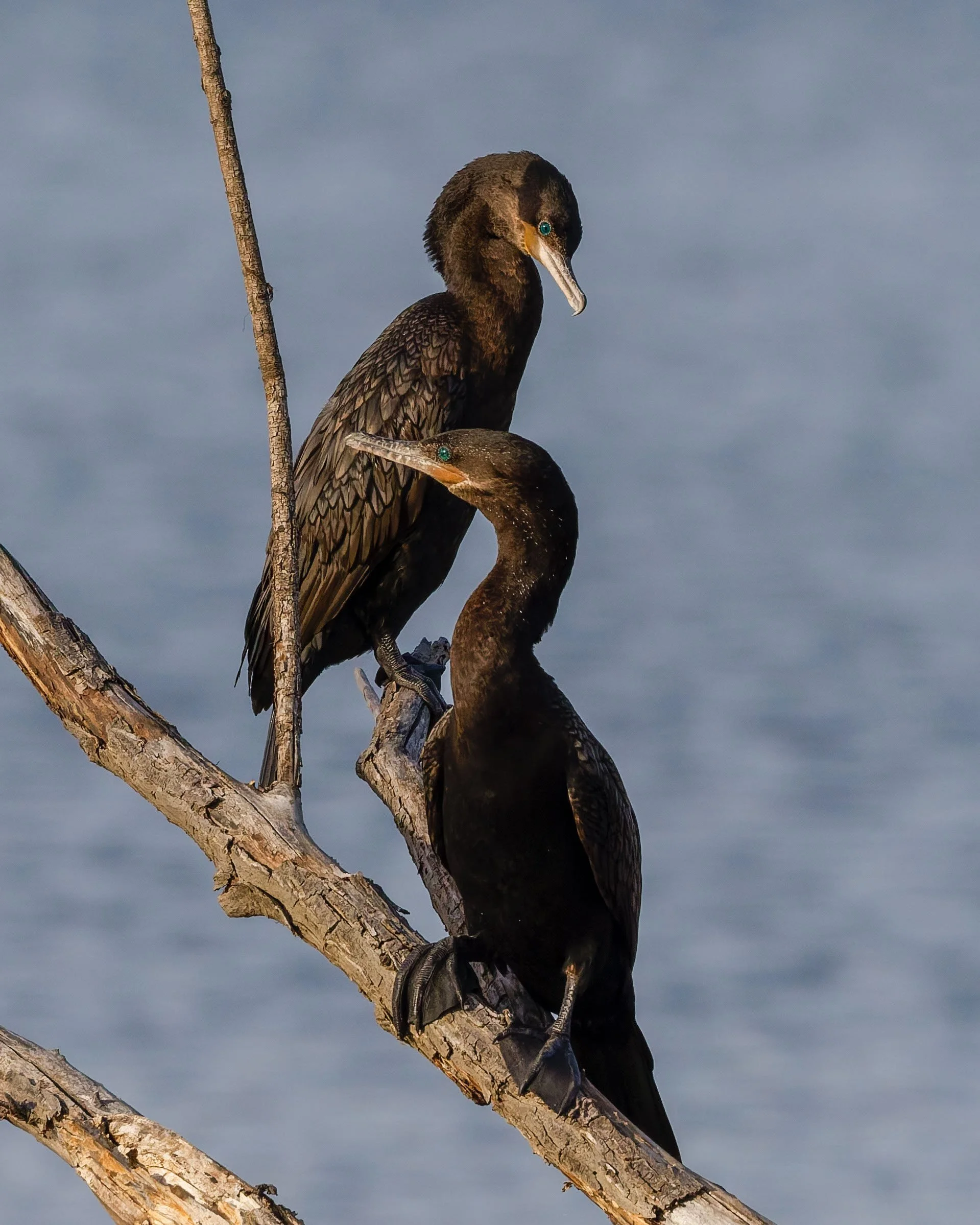
Neotropic Cormorants, distinguishable from their ‘double-crested” cousins by their smaller size, blue eyes and beak markings, are fast flyers, swimmers and divers propelled by strong webbed feet. They settle along shorelines and show strong bonding and team-work.
BIRDS IN FLIGHT
The beauty and excitement of birds in action has captured our imagination for centuries. In recent decades availability of camera technology has heightened the quest to capture sharp and realistic images. Using fast shutter speeds and mastering changes in light and light direction are continuous challenges in both skill and technology. Knowing bird behaviors, takeoff and timing, seasonal changes, paying attention to wind direction and predicting flight paths contribute to success in capturing images that justify the craft. Capturing short moments in time can show both birds’ expression, intent and feeling; and at other times including environmental characteristics can add to the story.
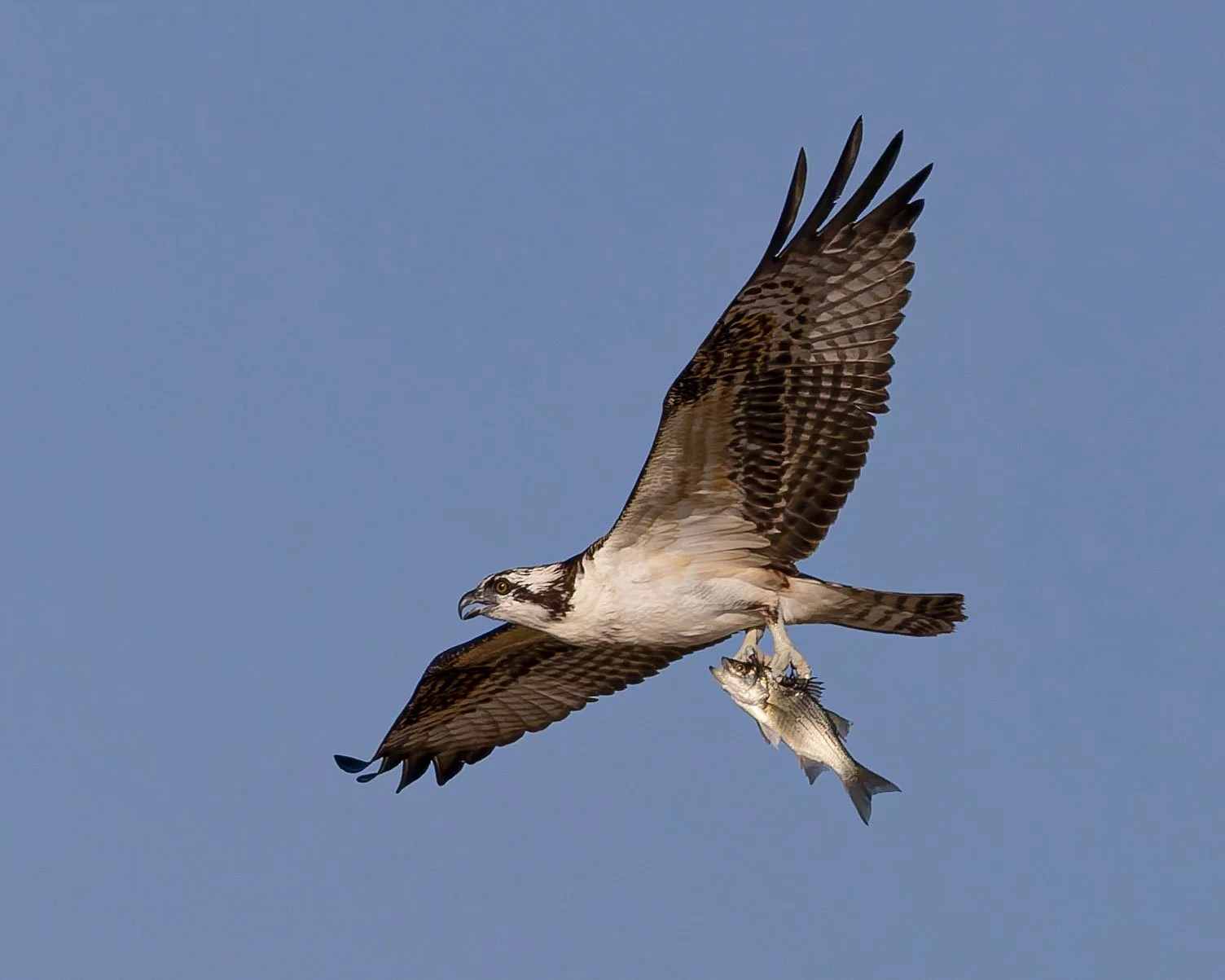
Ospreys heading south in the winter stopover in Oklahoma and are seen perched near the lakes. They search for fish, plunge dive and bring the fish back to the perch where they begin feeding on the head.
Pelicans are stressed when the Oklahoma lakes freeze over and icy conditions prevent feeding. A American White Pelican pair is seen competing for air space withn a flock of Franklin Gulls .
A juvenile Herring Gull changes plumage to mostly white with a gray back. They compete with the common Ring-billed Gull for territory but the two flocks often join together.
KITES AND HAWKS


Mississippi Kites favor nesting sites in Oklahoma and neighboring states and return to South America as far south as Argentina in the fall. They often rest on telephone lines and sore high to catch small prey including small birds.
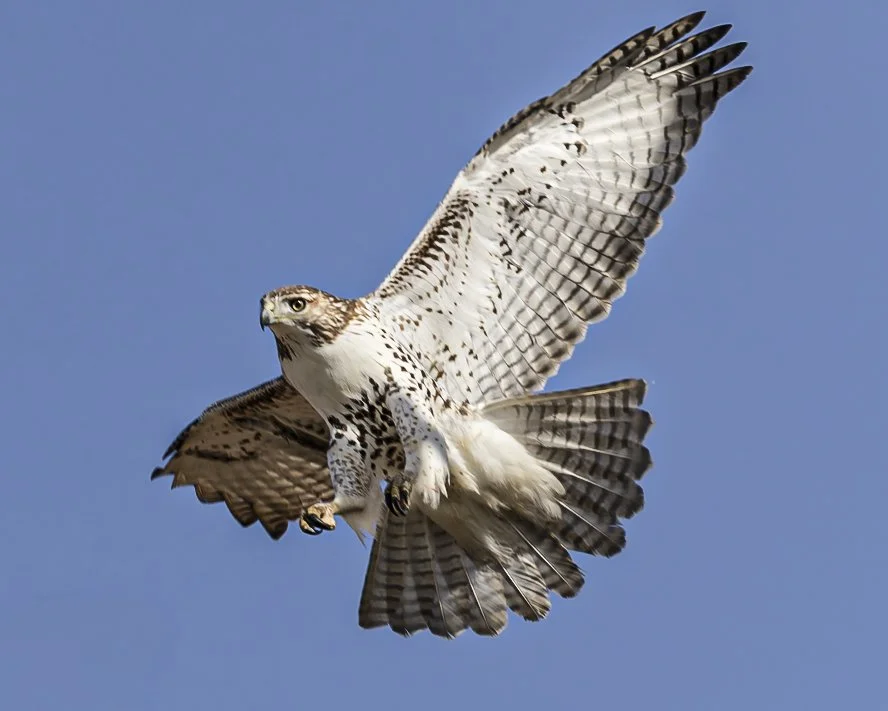
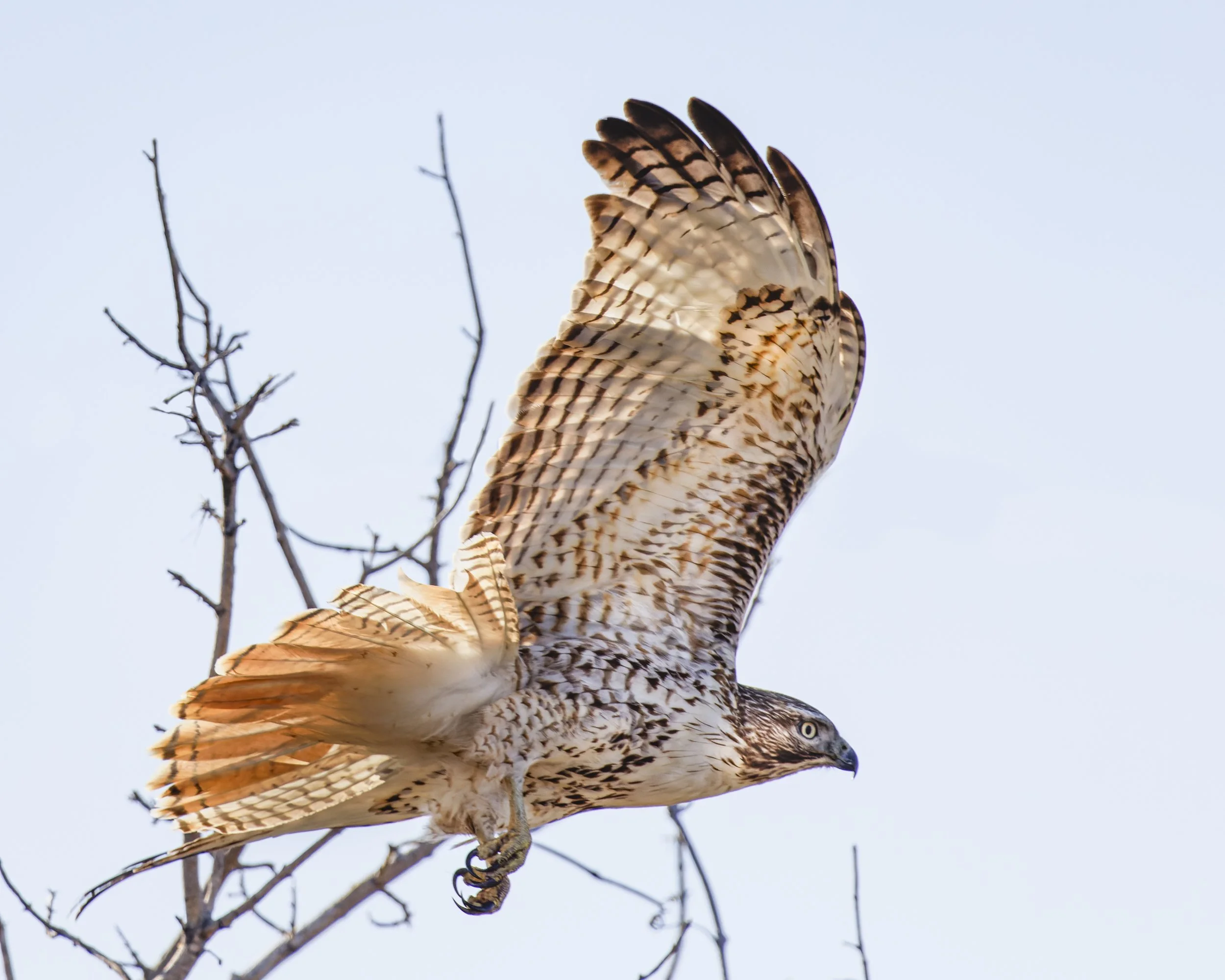
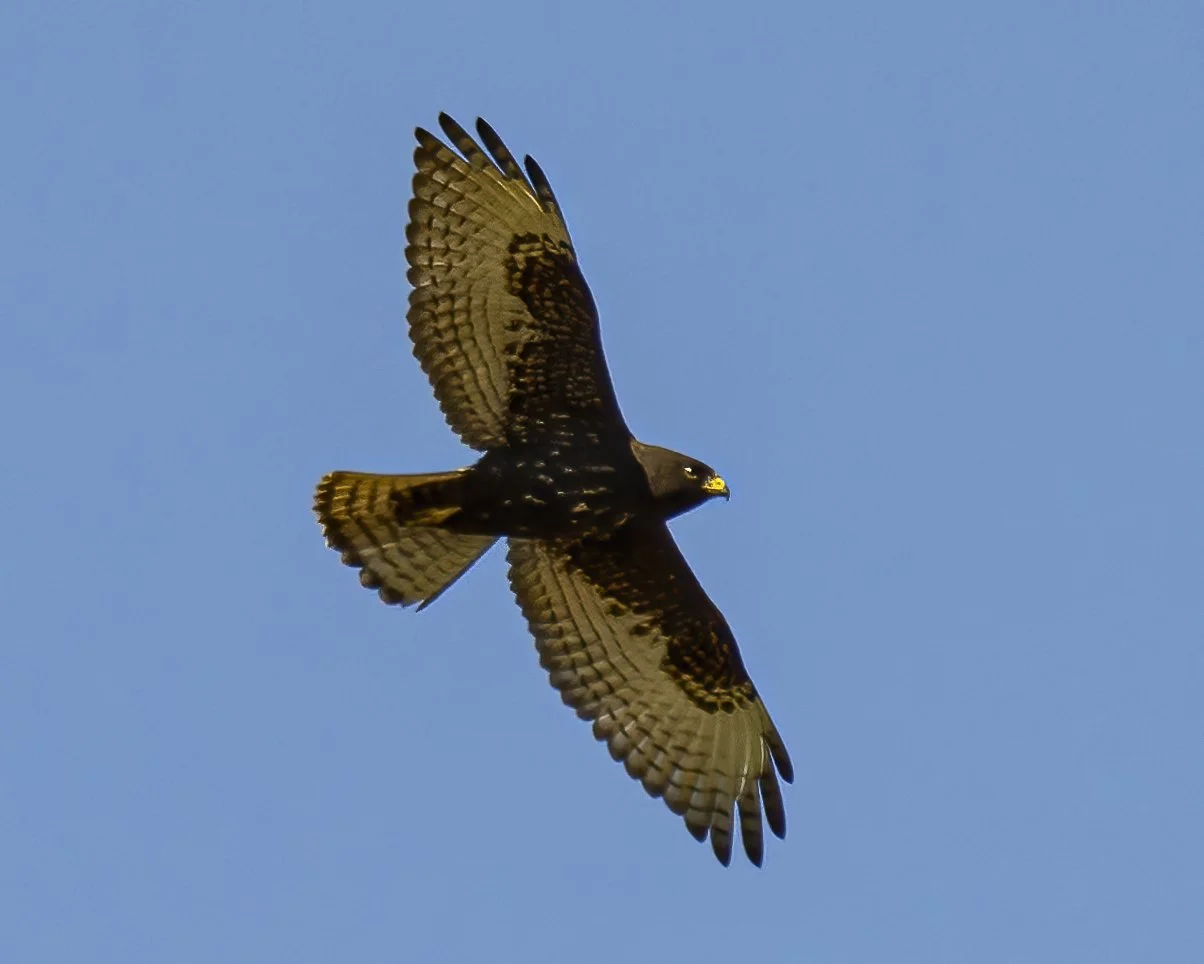
Rarely hawks are born as dark variants due to a switch in the gene for plumage. Above is one for a Broad-shouldered Hawk according to experts.
DUCKS
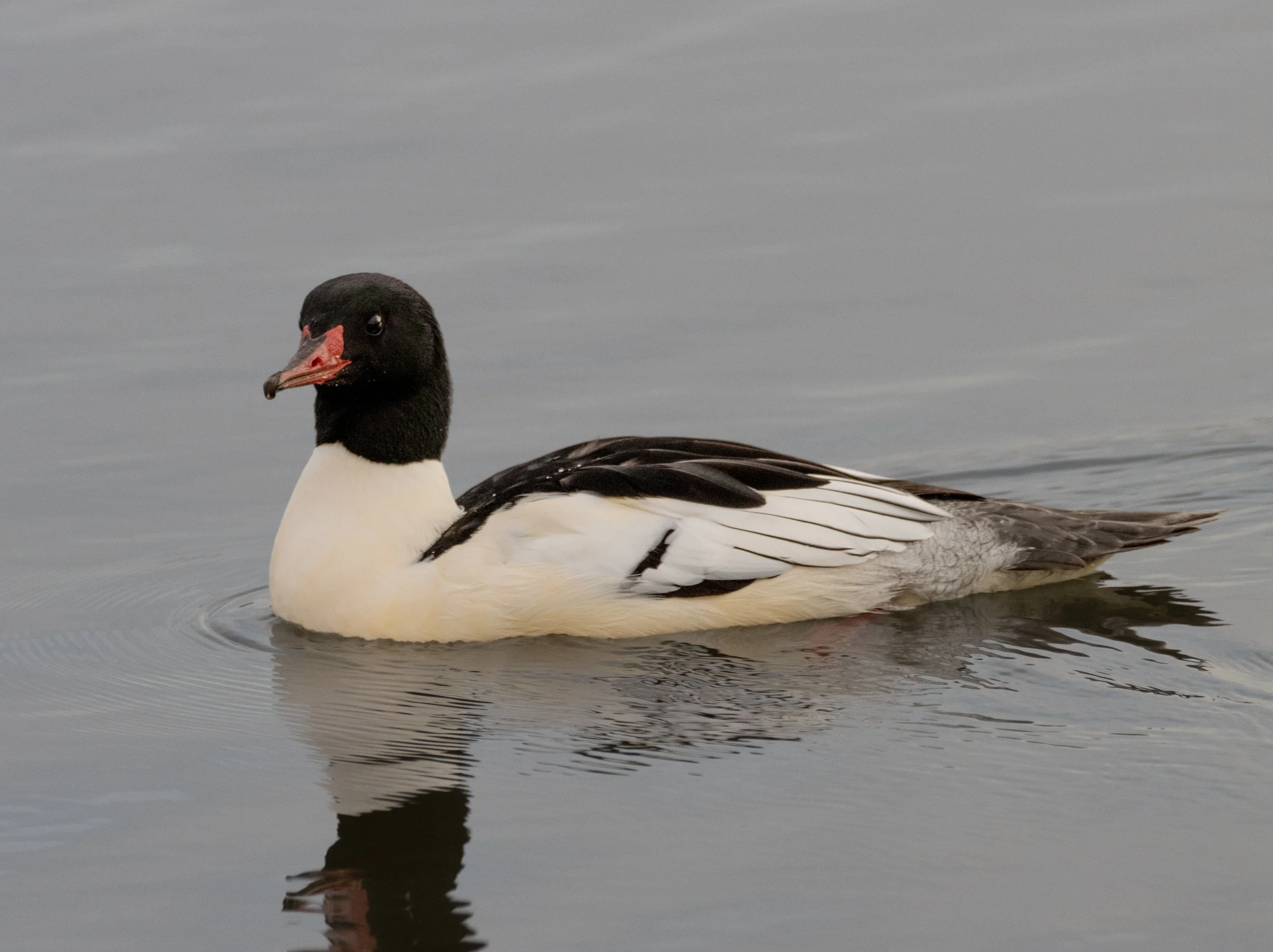
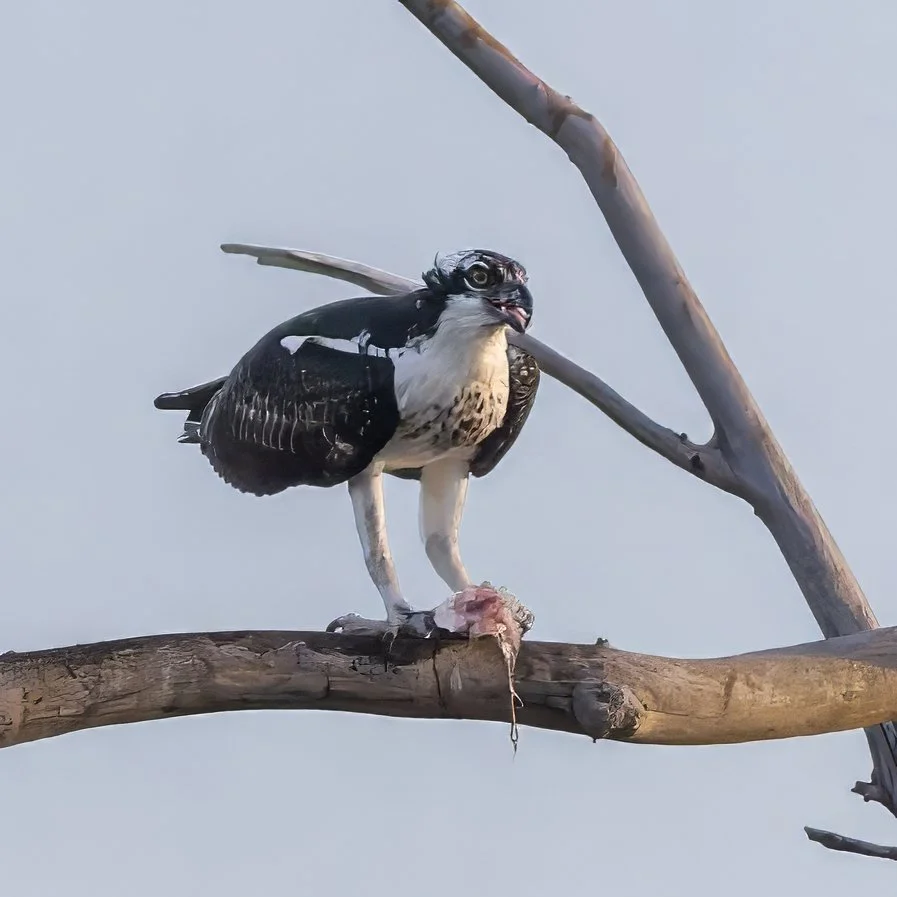
Bonaparte Gulls feed on small fish at high speed needed for a successful catch
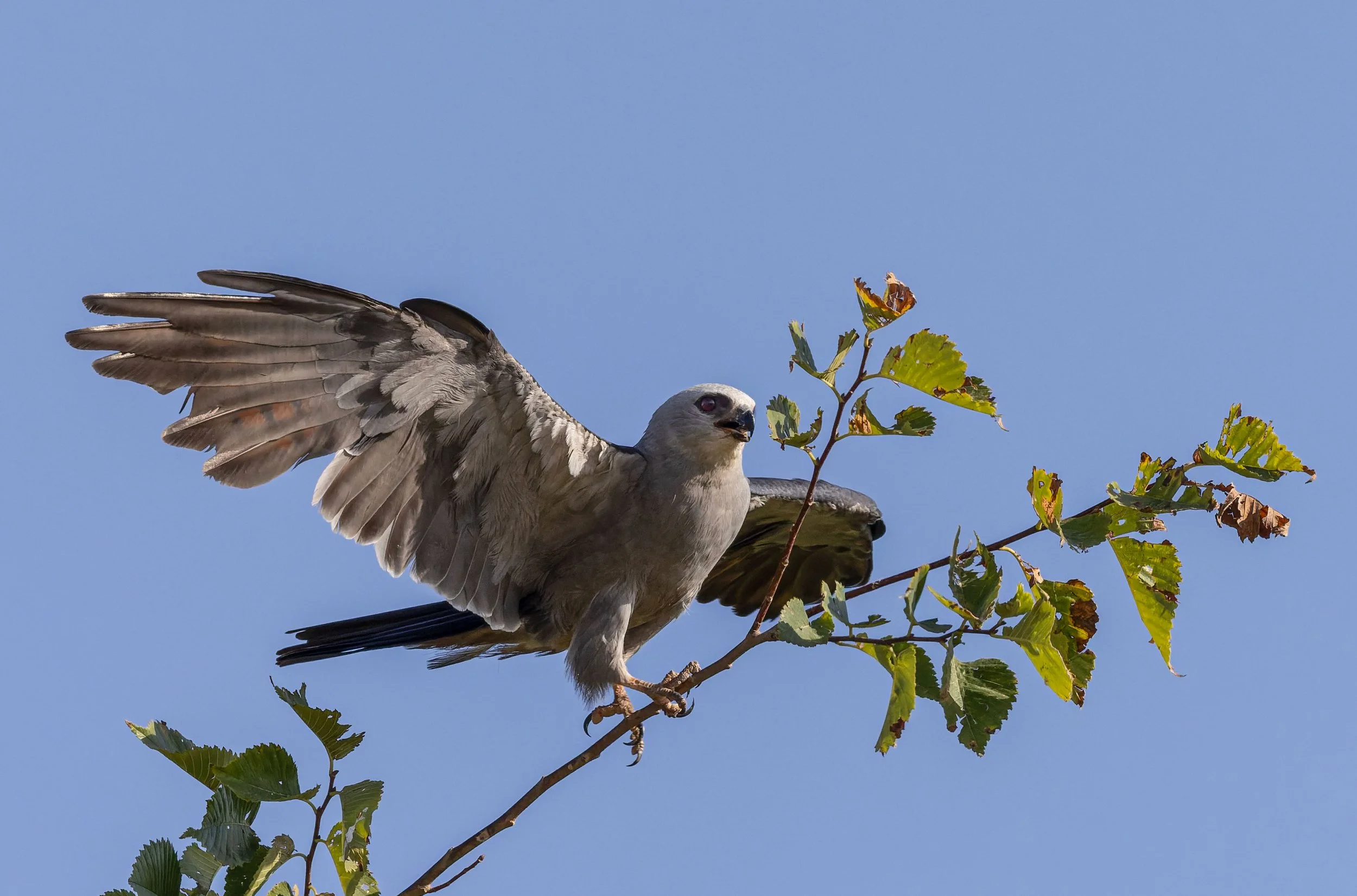
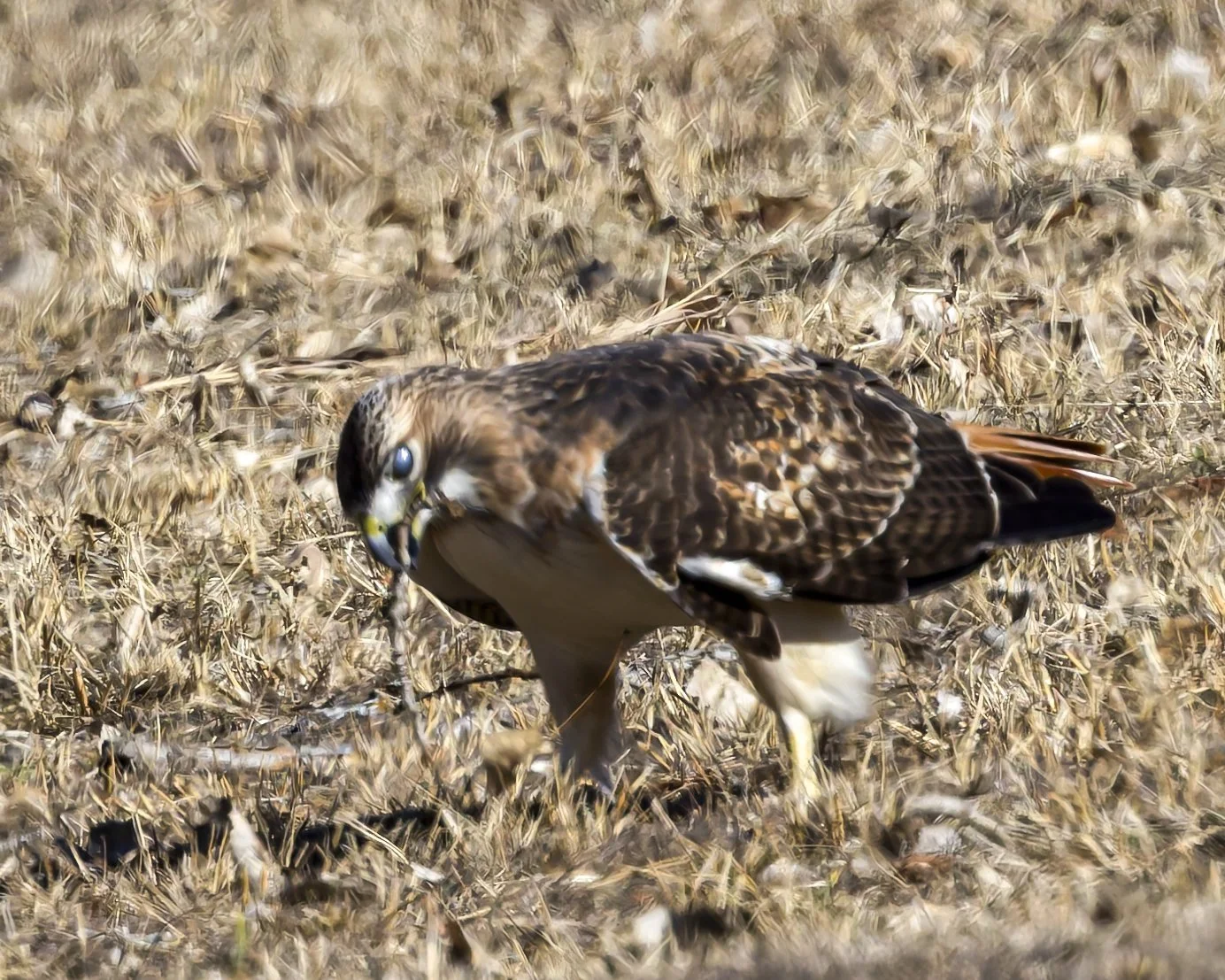
Red-tailed Hawks perch along road-sides and in trees close to prey. On the right the hawk is nest-building in Martin Nature Park.
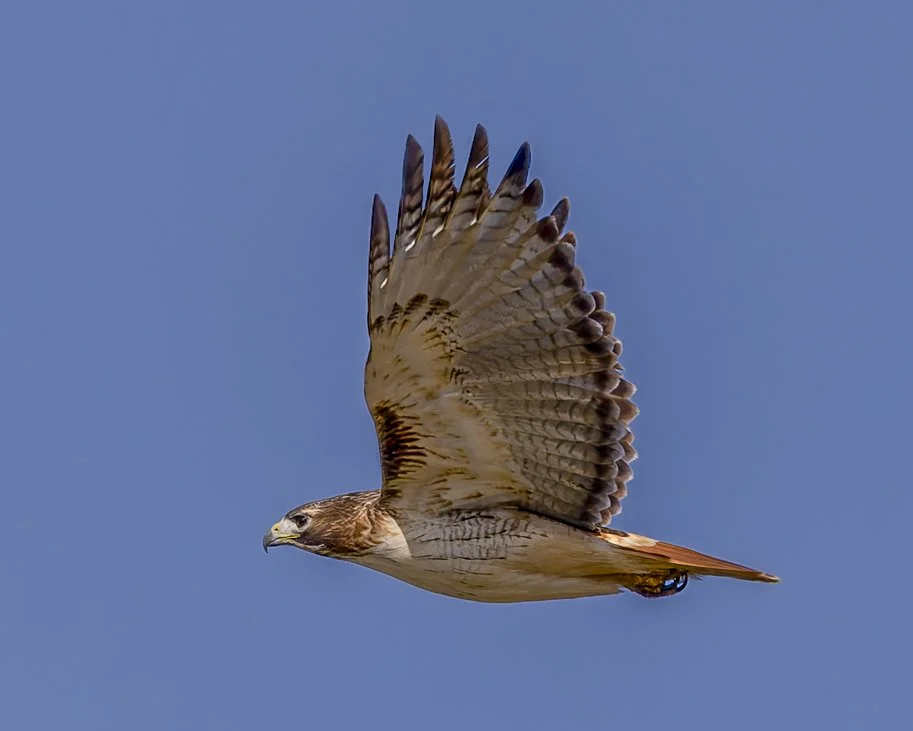
The tail may only have a tinge of redness but more red when seen from above or from the side in flight.
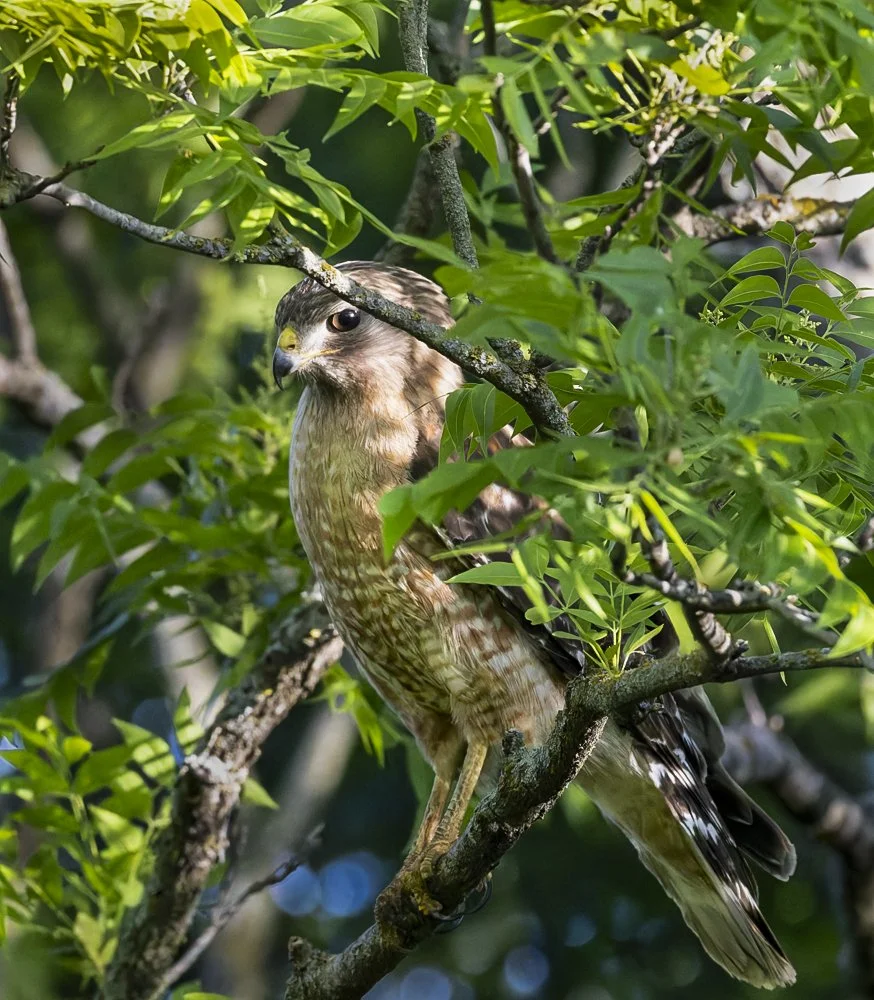
A Cooper’s Hawk seen partly concealed but settled in foliage for cover.
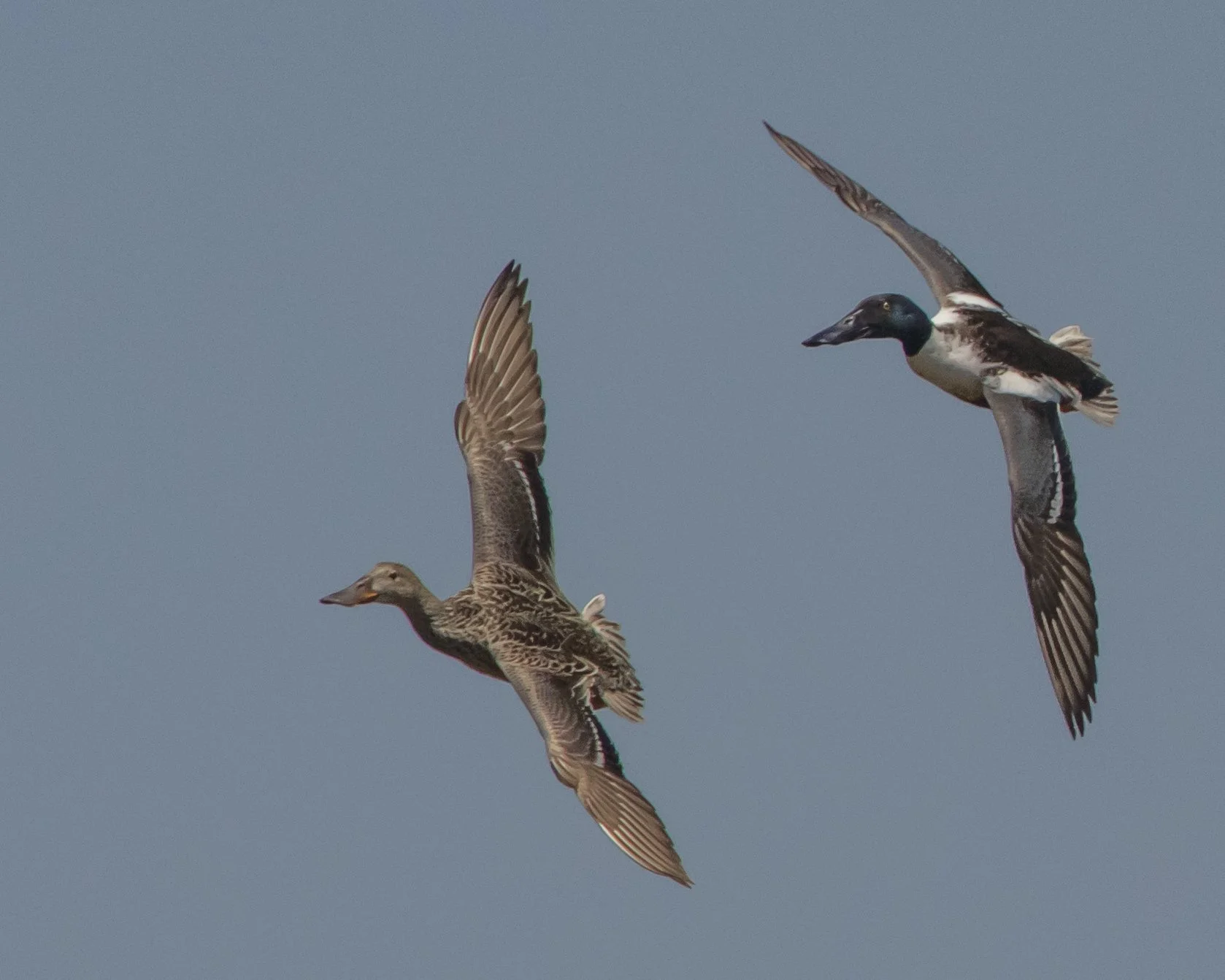
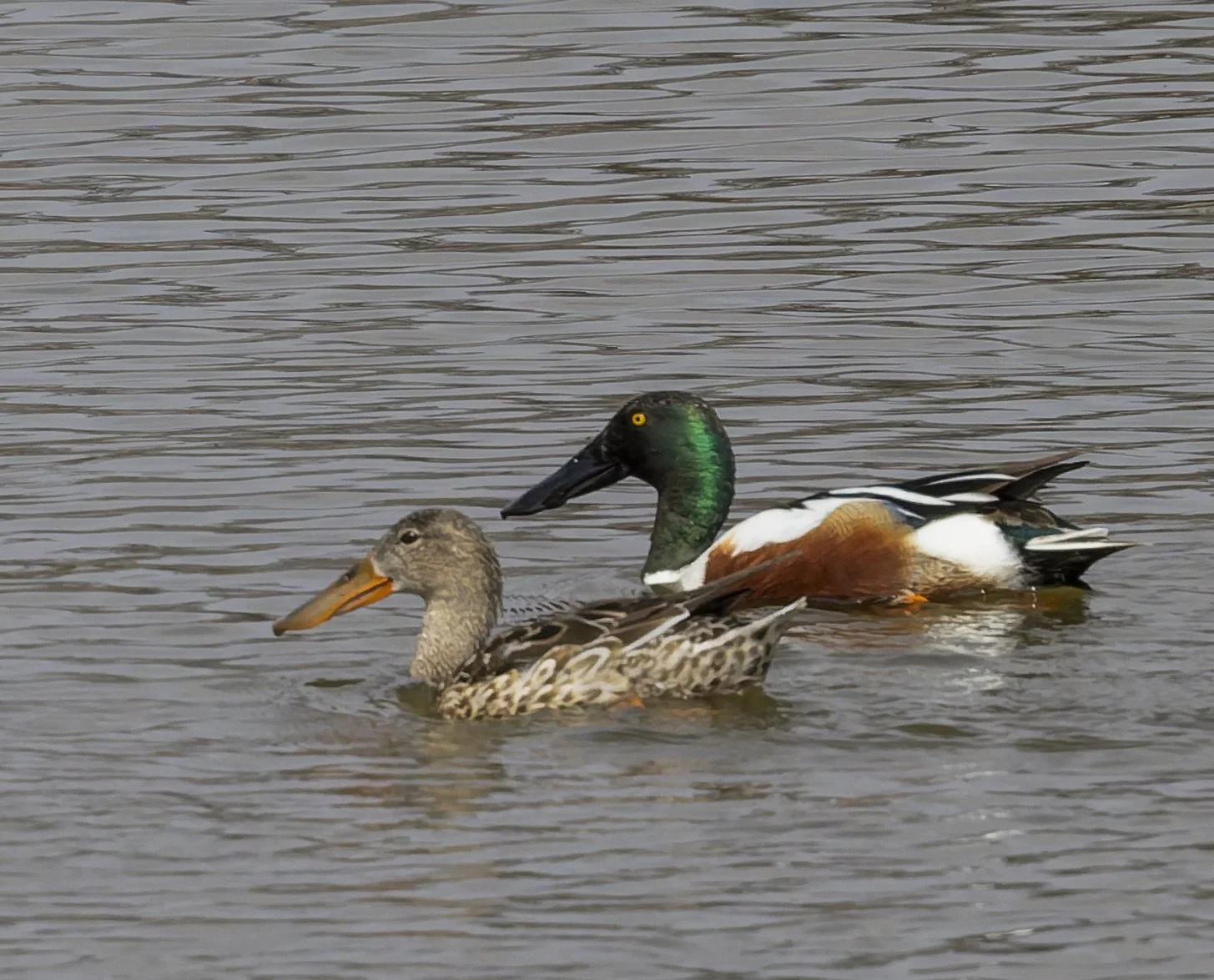
Northern Shovelors fly and feed in pairs and flocks. Small groups swim in circles with their heads down. They pass through as migrants on the Central Flyway in the fall and spring settling for a short time on Oklahoma lakes.